The Cake Handoff Checklist: What to Confirm Every Time You Hand Off a Cake
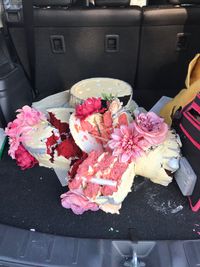
Whether a client is picking up their cake or you're delivering it yourself, the handoff is the moment where most cake disasters actually happen โ not in the kitchen. A few minutes of confirming the right details, every single time, is the difference between a cake that arrives perfect and a panicked phone call an hour later.
Here's the exact checklist to run through for pickups and for deliveries, so nothing falls through the cracks.
Why a Handoff Checklist Matters
Once a cake leaves your hands, you lose control over how it's handled โ but you don't lose responsibility for how it looks when it gets there. A quick, consistent handoff process protects your reputation, protects the cake, and protects you if something goes wrong after it leaves your kitchen.
It also just makes you look more professional. Clients notice when a baker has a system.
Client Pickup Checklist
When a client is picking up their own cake, your job is to make sure they leave with everything they need to get it home safely โ because from that point on, it's on them.
Before They Arrive
o Cake is fully set and chilled for transport
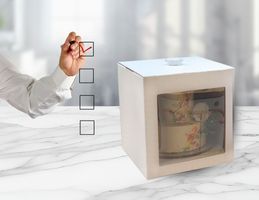
o Box is sized correctly โ snug enough to prevent sliding, tall enough to clear any toppers or decorations. Or use a cardboard CakeSafe-LITE and ditch the worrying!
o Box is taped or secured on the bottom so it doesn't collapse under weight
o Non-slip mat and dowel supports added for tiered cakes
o "This Side Up" and "Keep Flat" labels applied if needed
At the Handoff
o Confirm they have a flat surface in their vehicle โ back seat or trunk, not a lap or a footwell
o Walk them through carrying it flat, low to the ground, and with two hands
o Remind them: AC on, cake away from direct sun, no sudden braking if avoidable
o Give a rough timeframe for how long the cake can safely sit at room temperature
o Confirm final payment and get a signature or verbal confirmation the cake was inspected and approved before it leaves
That last point matters more than it seems. If a client picks up a cake, confirms it looks right, and something happens on the drive home, that's a transport issue โ not a bakery issue. Having them look at it before they leave protects you.
Delivery / Drop-Off Checklist
When you're the one driving it, the checklist shifts โ now you're responsible for the entire journey, not just the packaging.
Before You Load the Car:
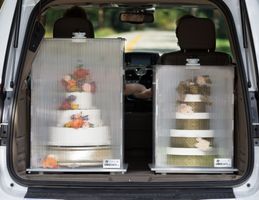
o Cake is secured in a purpose-built transport box or carrier, not just a standard bakery box
o Vehicle floor is flat and clear โ cake goes on the floor of the back seat or trunk, never a seat
o AC or heat set to keep the cake at a stable temperature for the whole drive
o Route planned in advance โ shortest smooth route, avoiding known potholes or rough roads if possible
o Emergency touch-up kit packed: extra frosting, a small offset spatula, and a piping bag for last-minute fixes
At the Drop-Off:
o Cake inspected and touched up on-site if needed before final placement
o Venue or client shown where the cake needs to sit โ away from direct sun, heat vents, or drafts
o Any assembly (adding a topper, final tier stacking) completed on-site rather than in transit
o Client or venue contact confirms the cake looks correct before you leave
o Photo taken of the final setup โ for your records and for your portfolio
That photo is a small habit that pays off twice: it protects you if a dispute ever comes up later, and it's free content for your social feed.
Rules That Apply to Both
--Always have the client or venue contact confirm the cake looks right before you leave โ pickup or delivery.
--Never rely on memory. Keep a printed or digital checklist you actually check off, every time
--Build a few minutes of buffer into every handoff โ rushing is when mistakes happen
--Document the handoff with a photo, no exceptions
--Build It Into Your Process, Not Just Your Head
The bakers who never have handoff disasters aren't the ones with the steadiest hands โ they're the ones with a system. A checklist taped inside your kitchen, saved as a note on your phone, or built into your order workflow means you're not relying on memory during the most chaotic part of your day.
And just like with delivery, the equipment you use during handoff matters. A cake that's properly supported and secured start to finish gives both you and your client one less thing to worry about โ which is really the whole point of a checklist in the first place.
The Bottom Line
A cake handoff checklist isn't extra work โ it's the few minutes that protect the hours you already put in. Whether a client is picking up or you're delivering yourself, running through the same checklist every time turns "I hope it's fine" into "I know it's fine."
Tags: cake handoff checklist, cake pickup checklist, cake delivery checklist, how to hand off a cake safely, cake transport tips, cake business tips, CakeSafe
More Posts


Let me paint you a picture. You've spent four days on a five-tier wedding cake. The sugar flowers are hand-painted. The ganache drip is *perfect*. You load it into your car, take a turn a little too fast, and โ you already know where this is going.
It's a story I've heard (and lived) more times than I care to count. And honestly? It doesn't have to be that way. Smart bakers - the ones doing this at scale, building real businesses, and sleeping soundly the night before a big delivery - treat cake transport like it's part of the craft. Because it is.
So let's talk about what they do differently.
They Plan the Transport Before They Plan the Design
This one takes a mindset shift, but it's a game-changer. Before the first tier is baked, experienced bakers are already thinking: How big will this be? How far does it travel? What's the delivery environment like? Cake transport isn't an afterthought, it's baked into the process from the start (pun very much intended). That means choosing dowels and supports that can handle the journey, sizing tiers with transport in mind, and knowing exactly what box or carrier you're using before you commit to a design.
They Invest in the Right Equipment
Here's what separates a stressful delivery from a confident one: the right gear. Smart bakers don't throw a sheet cake in a grocery store box and hope for the best. They use purpose-built cake carriers and transport systems designed to keep cakes stable, protected, and exactly where you put them.
The CakeSafe box was literally designed for travel. It holds assembled tiered cakes securely during transport, so you're not driving with one eye on the rearview mirror for the entire trip.