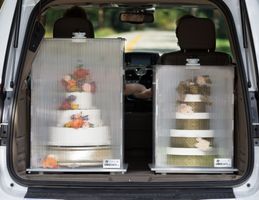
They Drive Like the Cake Is in the Car
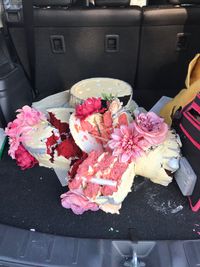
Because it is. This sounds obvious, but it's worth saying out loud: your driving habits matter.
Smart bakers slow down for turns. They brake early and gently. They avoid highways when possible, or at least stick to the right lane. They've mapped the route in advance and know which roads are rough, which intersections have weird angles, and where construction might add surprise bumps.
They also load the cake last and unload it first. Every extra minute in a hot car is a risk.
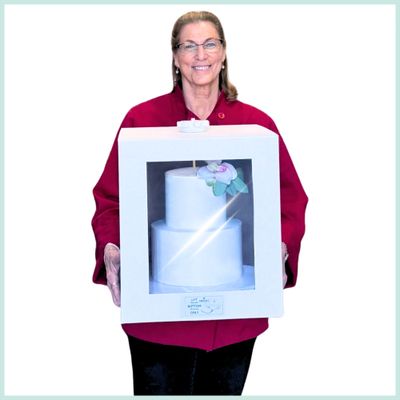
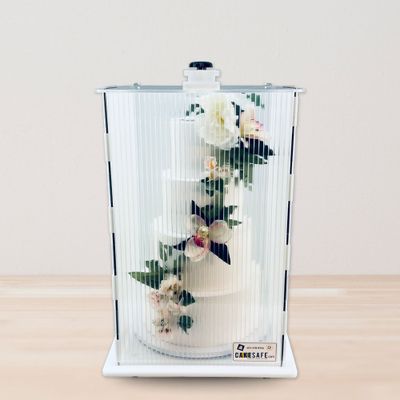
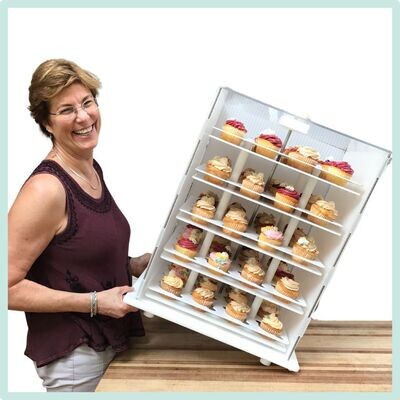
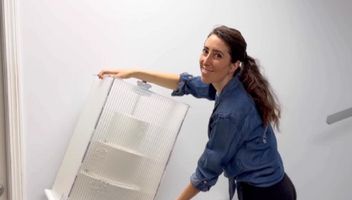
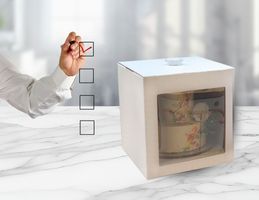
These precautions are always helpful, but they are not as necessary when using a CakeSafe Box since it’s designed to keep your cakes stable as well as cool for many hours.
They Control the Environment
Heat is a cake's worst enemy in transit. Buttercream softens. Fondant can sweat. Chocolate decorations melt. Smart bakers think about temperature control the way florists think about keeping flowers fresh.
A few practical things that make a real difference: pre-cool your car before loading, and use an insulated carrier like a CakeSafe to keep conditions stable during the ride. If it's a buttercream cake, refrigerate it overnight — or as long as possible before delivery. During transport, avoid parking in direct sunlight, or keep a blanket handy to cover the box if the sun's going to be hitting it. And always build at least a 20-minute buffer into your delivery window. If you're in a hot climate or doing summer weddings.
They Have a Setup Strategy at the Destination
Getting the cake there is only half the job. Smart bakers also plan for the assembly and setup at the venue. They arrive early. They bring a repair kit (extra icing, a smoother, a few backup flowers). They know who to check in with on arrival and where the cake table is before they get there. They don't leave until the cake is stable, level, and they're happy with how it looks. This level of professionalism isn't just good practice, it's what gets you referrals.
So Why Does All This Matter?
Beyond the obvious (not destroying something you spent hours creating), cake transport done right is actually a business decision. A cake that arrives perfectly is a testimonial. It's a photo that goes on Instagram. It's a bride who tells every person at that wedding who made the cake. It's a repeat customer and a word-of-mouth referral you didn't have to pay for. A cake that arrives damaged is a refund, a bad review, and a really rough day.
The Bottom Line
The smartest bakers I know treat transport as seriously as any other step in the process. They've got the right tools, a solid system, and they don't leave anything to chance. If you're still winging it on deliveries and hoping for the best, this is your sign to level up. Your cakes, your nervous system, and your clients deserve it.